

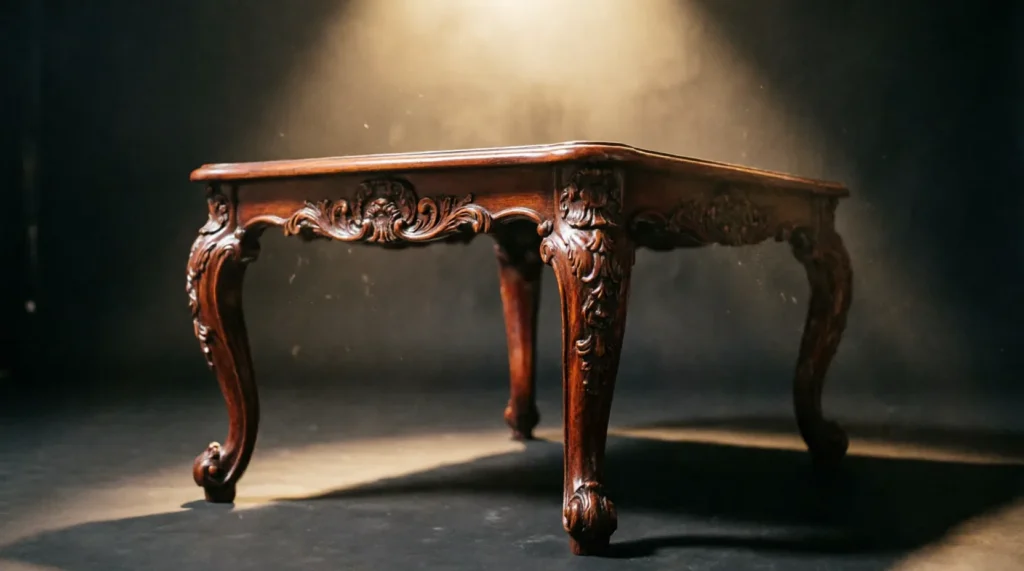
Stumped by the classic “what has legs but can’t walk” riddle? You’re about to discover why this puzzle has baffled generations—and get 25+ variations to test on your friends and family. Whether you’re hosting game night or just love a good mental workout, this collection has something for everyone.
Top 5 What Has Legs But Can’t Walk Riddles
1. What has four legs but can’t walk? Answer: A chair (or a table)
2. I have legs but never move, I hold you up but never improve. What am I? Answer: A chair
3. What has four legs in the morning, two legs at night, but can’t walk at all? Answer: A bed (it has four legs and is used morning and night)
4. I stand on four but never stroll, I carry meals but have no soul. What am I? Answer: A dining table
5. What has legs that don’t walk, a back but no spine, and helps you rest but isn’t a bed? Answer: A chair
The Classic Riddle Explained: Why It Works
The “what has legs but can’t walk” riddle is one of the oldest and most enduring puzzles in existence. According to Wikipedia’s entry on riddles, riddles have been used for centuries as entertainment, education, and even divination tools across cultures worldwide. This particular riddle works because it exploits the dual meaning of the word “legs.”
When most people hear “legs,” they immediately think of the limbs that humans and animals use for walking. The riddle sets up this expectation, then subverts it by referring to furniture legs—the structural supports that hold up chairs, tables, and beds. This semantic trick is what makes the riddle both simple and surprisingly challenging.
In my experience running this riddle at family gatherings, the most common wrong answer is “a baby” or “someone who is paralyzed.” People get stuck thinking about living things that might have legs but can’t use them. The “aha!” moment comes when someone finally realizes the question is about inanimate objects.
The riddle’s elegance lies in its brevity. It’s short enough for a five-year-old to remember but tricky enough to stump adults who overthink it. I’ve seen this riddle bring entire dinner parties to a standstill as everyone debates possible answers.
Easy Riddles for Kids and Beginners
These riddles are perfect for younger solvers or anyone new to puzzle-solving. They use straightforward language and familiar objects.
1. What has four legs when it’s young, but can’t walk? Answer: A table (or any four-legged furniture)
2. I have a back but no bones, legs but no feet. What am I? Answer: A chair
3. What stands on four legs all day but never gets tired? Answer: A table
4. I have legs but no shoes, a seat but no pants. What am I? Answer: A chair
5. What has four corners and four legs but can’t move? Answer: A table
6. I’m made of wood, have four legs, and you sit on me. What am I? Answer: A chair
7. What has legs that touch the floor but never take a step? Answer: A stool or chair
When I test these with my 7-year-old niece, she solves #4 in about three seconds but gets stuck on #5 because she starts thinking about animals. The key is helping kids understand that “legs” can mean different things in different contexts.
Hard and Tricky Variations
These riddles add layers of complexity through wordplay, misdirection, or multiple possible interpretations.
1. What walks on four legs in the morning, two legs at noon, and three legs in the evening, but the riddle asks what has legs and can’t walk? Answer: This is a trick question combining two riddles—the answer to “what has legs but can’t walk” is still furniture, while the “morning/noon/evening” part describes a human (crawling as a baby, walking as an adult, using a cane when old)
2. I have legs but cannot walk, I have a spine but cannot feel, I have pages but cannot read. What am I? Answer: A book (this is a different riddle entirely—”legs” refers to bookstands or supports)
3. What has four legs but only uses two? Answer: A rocking chair (it has four legs but rocks on two curved runners)
4. I stand on legs but never rise, I watch the world with wooden eyes. What am I? Answer: A chair (poetic misdirection)
5. What has legs that grow shorter the more you use them? Answer: A candle (the “legs” are metaphorical—this is a trick riddle that shifts the meaning)
6. What has eight legs but can’t walk, and catches flies without trying? Answer: A spiderweb with a dead spider (or just a table with eight legs if you want the furniture answer)
The hardest part about these riddles is resisting the urge to overthink them. When I’ve used #3 at pub quizzes, about half the teams answer “a centaur” or “a person on crutches” before someone realizes it’s asking about furniture with an unusual feature.
Furniture Riddles With Distinct Answers
Now let’s expand beyond the basic chair/table riddle to explore other furniture-related puzzles that have their own unique answers.
1. What has a head and a tail but no body? Answer: A coin (not furniture, but a classic riddle that plays with body parts)
2. What has a bed but never sleeps? Answer: A river
3. What has hands but can’t clap? Answer: A clock
4. What has a face and two hands but no arms or legs? Answer: A clock
5. What has teeth but can’t bite? Answer: A comb
6. What has an eye but can’t see? Answer: A needle
7. What has a neck but no head? Answer: A bottle or a shirt
8. What has a tongue but can’t talk? Answer: A shoe
These riddles follow the same pattern as “what has legs but can’t walk”—they assign human or animal characteristics to inanimate objects. Understanding this pattern makes solving them much easier. According to Wikipedia’s article on legs, the word has been used metaphorically in language for centuries to describe supports, stages of journeys, and structural elements beyond just biological limbs.
Riddles About Things That Stand But Don’t Move
This category explores stationary objects using movement-related language.
1. What runs but never walks, has a mouth but never talks, has a bed but never sleeps? Answer: A river
2. What flies without wings, cries without eyes, and runs without legs? Answer: A cloud
3. What stands in a corner but travels all around the world? Answer: A stamp
4. What goes up but never comes down? Answer: Your age
5. What can travel around the world while staying in a corner? Answer: A stamp (variation of #3)
6. What has cities but no houses, mountains but no trees, and water but no fish? Answer: A map
7. What can you catch but not throw? Answer: A cold
These riddles work on the same principle as our main topic—they use action words (run, fly, travel) to describe things that don’t actually perform those actions in the literal sense.
How to Use These Riddles
Game Night Icebreakers: Start with the easy riddles to get everyone comfortable, then gradually increase difficulty. I’ve found that mixing furniture riddles with other categories keeps people engaged.
Classroom Activities: Teachers can use these to teach critical thinking and literal vs. figurative language. Have students create their own “what has X but can’t Y” riddles as a creative writing exercise.
Road Trip Entertainment: These riddles are perfect for long car rides because they require no materials and can be adjusted for any age. Keep a running score to add competition.
Scavenger Hunt Clues: Use riddles as clues that lead to actual objects. “Find what has four legs but can’t walk” sends kids hunting for chairs or tables around the house.
Pub Quiz Rounds: Dedicate a full round to riddles, starting easy and getting progressively harder. The furniture category is always popular because everyone thinks they know the answer until they overthink it.
Frequently Asked Questions
What is the most common answer to “what has legs but can’t walk”?
The most common answer is “a chair,” followed closely by “a table.” Both are correct since they’re pieces of furniture with legs (structural supports) that obviously can’t walk. Some people also answer “a bed,” which is equally valid.
Why do people struggle with this riddle?
People struggle because they interpret “legs” literally as biological limbs used for walking. The riddle relies on the double meaning of “legs”—both as body parts and as furniture supports. Adults often overthink it, while children who haven’t learned to overthink yet sometimes solve it faster.
Are there other riddles similar to this one?
Yes! The entire category of “what has X but can’t Y” riddles follows the same pattern. Examples include “what has hands but can’t clap” (a clock), “what has a bed but never sleeps” (a river), and “what has teeth but can’t bite” (a comb). They all assign animate characteristics to inanimate objects.
What’s the best way to make this riddle harder?
Add misdirection or combine it with other riddles. For example: “What has four legs in the morning, two at noon, three in the evening, but can’t walk?” This combines the classic Sphinx riddle about humans with the furniture riddle, creating confusion about which answer is expected.

William Williams holds a master’s degree in Linguistics from Oxford University and has dedicated over 15 years to exploring the intricate world of riddles and brain teasers. Known for his deep understanding of wordplay and semantics, William specializes in crafting language-based challenges that test the limits of logical thinking. His passion for puzzles was sparked by a childhood love of crosswords and cryptic clues, leading him to a career filled with curiosity and creativity. At RiddleMeHub, William focuses on creating content that not only entertains but also educates, offering readers insights into the history and methodologies behind classic riddles. His articles often dive into the etymology of words used in brain teasers and how they enhance cognitive skills. With a knack for storytelling, he weaves narratives into his riddles, engaging audiences of all ages. As a senior contributor, William continually pushes the boundaries of traditional riddles while maintaining a respect for their time-honored roots.