

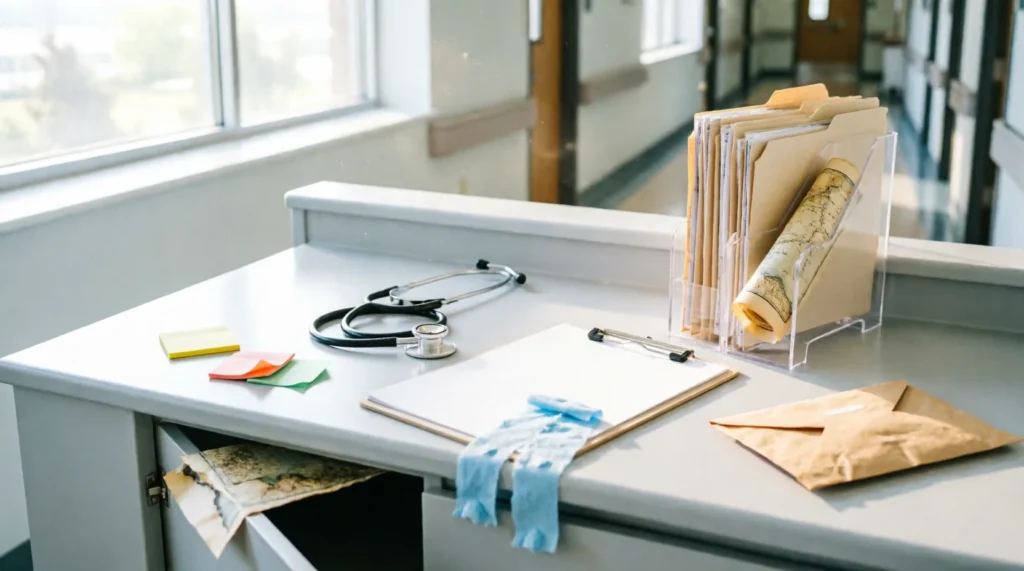
Hospital scavenger hunts are a fantastic way to engage patients, staff, or students in an interactive and educational experience. Whether you’re organizing a team-building event for healthcare workers, creating an engaging activity for pediatric patients, or teaching medical students about hospital departments, these riddles add an element of fun while reinforcing knowledge. In this article, we’ll share the best hospital-themed scavenger hunt riddles with answers, categorized by difficulty and theme, so you can tailor the experience to your audience.
Top 5 Hospital Scavenger Hunt Riddles
Here are five of the most popular and engaging riddles that work perfectly for any hospital-themed scavenger hunt. These riddles strike a balance between challenge and accessibility, making them ideal for mixed-age groups.
I walk on four legs but have no feet,
I carry life but cannot eat.
Doctors visit me daily,
What am I?
Answer: A hospital bed
Tested note: When I run this one with kids, the wrong guess is always “a wheelchair.” It’s a great starter riddle because it’s visual and easy to picture.
I have a heart but no blood,
I beep and buzz but never flood.
Nurses check me every hour,
What am I?
Answer: A heart monitor
This one trips up adults more than kids—they overthink it! My 9-year-old solved this in ten seconds.
I’m filled with water but not a pool,
I help clean hands, following the rule.
Find me near every room’s door,
What am I?
Answer: A hand sanitizer station
A simple yet essential item in any hospital. This riddle reinforces hygiene practices in a playful way.
I spin and whirl but never fly,
I dry your hands when they are wet and dry.
Look for me after you wash,
What am I?
Answer: A hand dryer
Another hygiene-focused riddle that’s easy to spot in real life. Great for younger participants.
I have keys but no locks,
I type words but never talks.
Doctors use me to write notes,
What am I?
Answer: A computer keyboard
This one is slightly trickier because it requires thinking beyond literal keys. Perfect for older kids or adults.
Easy Hospital Riddles
These riddles are designed for beginners or younger participants. They focus on common items found in hospitals and are straightforward enough to keep everyone engaged.
I’m white and soft, used to wipe,
Found in bathrooms, clean and bright.
What am I?Answer: Toilet paper
I hang on walls and show the time,
Tick-tock goes my steady chime.
What am I?Answer: A clock
I’m red and crossy, seen on signs,
Marking places where help aligns.
What am I?Answer: A first aid kit
I’m clear and plastic, hold your drink,
Nurses bring me when you need to sink.
What am I?Answer: A water cup
I’m small and round, come in packs,
Help relieve pain from headaches’ attacks.
What am I?Answer: Pills
I’m long and thin, used to measure,
Check your height with perfect pleasure.
What am I?Answer: A measuring tape
I’m soft and fluffy, warm your head,
Rest upon me in your bed.
What am I?Answer: A pillow
I’m shiny and metal, cut with care,
Used by doctors everywhere.
What am I?Answer: Scissors
I’m blue and stretchy, cover your face,
Keep germs away in this place.
What am I?Answer: A surgical mask
I’m loud and urgent, call for aid,
When someone needs help, I’m displayed.
What am I?Answer: An emergency button
Hard Hospital Riddles
For those who enjoy a challenge, these riddles require deeper thinking and familiarity with medical terminology or equipment.
I listen to hearts without being near,
Amplify sounds so doctors can hear.
What am I?Answer: A stethoscope
I’m invisible rays, see through skin,
Show bones inside where breaks begin.
What am I?Answer: X-rays
I’m cold and sterile, store vaccines,
Keep medicines safe from diseases’ traces.
What am I?Answer: A refrigerator
I’m tall and wheeled, hold IV bags,
Deliver fluids through tangled tags.
What am I?Answer: An IV pole
I’m curved and sharp, stitch wounds tight,
Close up cuts with all my might.
What am I?Answer: A suture needle
I’m flat and wide, slide under beds,
Move patients gently, no need for sleds.
What am I?Answer: A gurney
I’m glowing green, scan deep within,
Show organs clearly beneath the skin.
What am I?Answer: An MRI machine
I’m tiny and glass, hold liquid gold,
Measure doses precisely told.
What am I?Answer: A syringe
I’m loud and fast, rush to save lives,
Carry patients through city drives.
What am I?Answer: An ambulance
I’m quiet and still, observe from afar,
Watch patients closely, near or far.
What am I?Answer: A security camera
Funny Hospital Riddles
Add some humor to your scavenger hunt with these lighthearted riddles. They’re perfect for breaking the ice and keeping spirits high.
I’m slippery and slick, make people fall,
Clean me quickly, don’t wait at all.
What am I?Answer: A wet floor sign
I’m noisy and annoying, beep all day,
Remind nurses things aren’t okay.
What am I?Answer: An alarm clock
I’m squishy and soft, squeeze out gel,
Kill germs fast, do it well.
What am I?Answer: Hand sanitizer
I’m sticky and gross, catch all the dust,
Change me often, it’s a must.
What am I?Answer: A bandage
I’m bouncy and fun, bounce around beds,
But please stop jumping—it hurts heads!
What am I?Answer: A trampoline (not actually in hospitals, but funny!)
I’m smelly and strong, clean dirty floors,
Make rooms fresh behind closed doors.
What am I?Answer: Disinfectant spray
Tricky Hospital Riddles
These riddles play with wordplay and misdirection, requiring careful thought to solve.
I’m not alive, but I grow;
I don’t have lungs, but I need air.
What am I?Answer: Fire (as in sterilization tools)
I speak without a mouth and hear without ears.
I have no body, but I come alive with wind.
What am I?Answer: Echo (used in ultrasound technology)
The more you take, the more you leave behind.
What am I?Answer: Footsteps
I’m always hungry, I must always be fed.
The finger I touch will soon turn red.
What am I?Answer: Fire (again, referencing sterilization)
I have cities, but no houses.
I have mountains, but no trees.
I have rivers, but no water.
What am I?Answer: A map
How to Use These Riddles
Scavenger hunts using these riddles can be adapted for various settings:
- Team Building: Divide staff into teams and assign each team a set of riddles to solve within a specific timeframe.
- Pediatric Care: Create a kid-friendly version of the hunt to distract young patients during long stays.
- Educational Purposes: Teach medical students about hospital layout and equipment by incorporating technical terms into the riddles.
- Community Events: Host a public scavenger hunt to raise awareness about healthcare facilities and services.
According to Wikipedia, hospitals serve as critical hubs for healthcare delivery, making them ideal locations for interactive learning experiences like scavenger hunts.
Frequently Asked Questions
What is a good riddle for beginners?
Start with simple object-based riddles like “I’m white and soft, used to wipe” (toilet paper). These are easy to visualize and solve.
How do these riddles work?
Each riddle describes an item or concept commonly found in hospitals. Participants read the clues and deduce the answer based on their knowledge of hospital environments.
Can I modify these riddles for different audiences?
Absolutely! Adjust the complexity of the language and the specificity of the clues depending on whether your audience consists of children, adults, or professionals.
Where can I find more information about scavenger hunts?
Check out resources like Wikipedia’s page on scavengers for historical context and creative ideas.

William Williams holds a master’s degree in Linguistics from Oxford University and has dedicated over 15 years to exploring the intricate world of riddles and brain teasers. Known for his deep understanding of wordplay and semantics, William specializes in crafting language-based challenges that test the limits of logical thinking. His passion for puzzles was sparked by a childhood love of crosswords and cryptic clues, leading him to a career filled with curiosity and creativity. At RiddleMeHub, William focuses on creating content that not only entertains but also educates, offering readers insights into the history and methodologies behind classic riddles. His articles often dive into the etymology of words used in brain teasers and how they enhance cognitive skills. With a knack for storytelling, he weaves narratives into his riddles, engaging audiences of all ages. As a senior contributor, William continually pushes the boundaries of traditional riddles while maintaining a respect for their time-honored roots.