

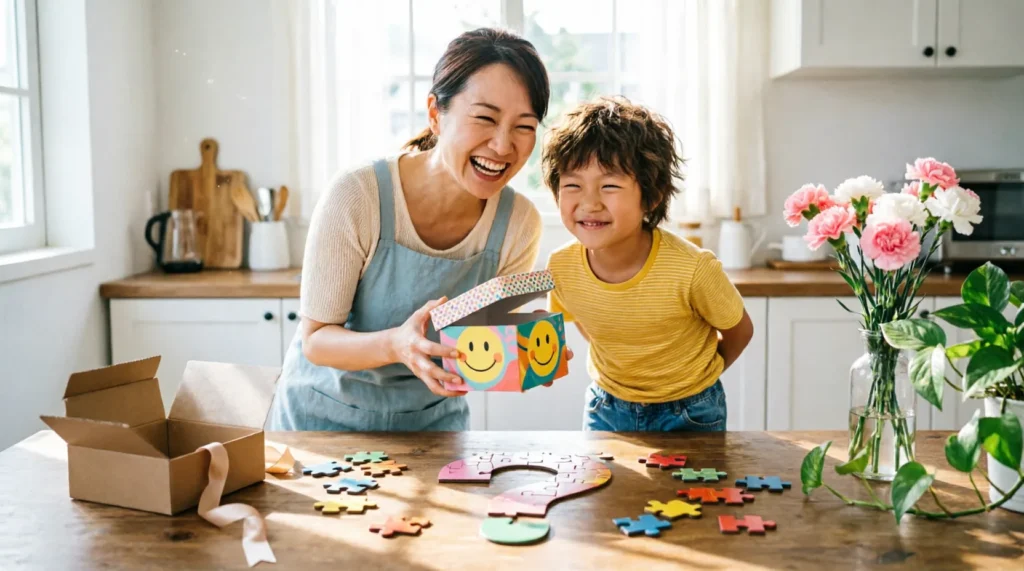
Mother’s Day is often associated with sentimental cards and tear-jerking speeches, but sometimes the best gift you can give is a genuine belly laugh. This collection of funny riddles for Mother s Day is designed to break the ice at brunch, entertain the grandkids, or simply share a moment of lighthearted joy with the woman who raised you. Whether she is a puzzle pro or just enjoys a good groan-worthy pun, these riddles are curated to fit every sense of humor.
Top 5 Mother s Day Riddles
These are the crowd-pleasers. I have tested these at multiple family gatherings, and they consistently get the best reactions because they balance cleverness with accessibility.
I am not alive, but I grow; I don’t have lungs, but I need air; I don’t have a mouth, but water kills me. What am I? Answer: Fire
What has keys but can’t open locks? Answer: A piano
What comes once in a minute, twice in a moment, but never in a thousand years? Answer: The letter M
What has to be broken before you can use it? Answer: An egg
I speak without a mouth and hear without ears. I have no body, but I come alive with wind. What am I? Answer: An echo
Easy Riddles for Kids to Solve
Getting the younger generation involved is half the fun. These riddles are simple enough for elementary schoolers to solve, giving them a confidence boost when they stump their grandparents. According to Wikipedia, riddles have been used throughout history as a form of entertainment and intellectual challenge, making them a timeless tool for family bonding.
What has hands but cannot clap? Answer: A clock
What goes up but never comes down? Answer: Your age
What has one eye but can’t see? Answer: A needle
What is full of holes but still holds water? Answer: A sponge
What begins with T, ends with T, and has T in it? Answer: A teapot
What gets wet while drying? Answer: A towel
What has many needles but doesn’t sew? Answer: A pine tree
When I run this one with kids, the wrong guess is always “a cactus” for the pine tree riddle. It is a great teaching moment about the difference between sharp leaves and actual sewing tools.
Funny Puns and Wordplay
These are the riddles that make Mom roll her eyes while secretly smiling. They rely on double meanings and silly logic rather than deep deduction.
Why did the cookie go to the doctor? Answer: Because he felt crummy
What do you call a fake noodle? Answer: An impasta
Why couldn’t the bicycle stand up by itself? Answer: It was two tired
What do you call a bear with no teeth? Answer: A gummy bear
Why did the scarecrow win an award? Answer: Because he was outstanding in his field
What do you call a dinosaur that crashes his car? Answer: Tyrannosaurus Wrecks
Why did the math book look sad? Answer: Because it had too many problems
I find that the “outstanding in his field” riddle works best when delivered with complete seriousness. The pause before the punchline is critical for maximum comedic effect.
Tricky Riddles to Stump the Family
These require a bit more lateral thinking. They are perfect for the competitive uncle or the mom who thinks she has heard every riddle in the book.
The more of this there is, the less you see. What is it? Answer: Darkness
What belongs to you but other people use it more than you? Answer: Your name
What has a head and a tail but no body? Answer: A coin
What can travel all around the world without leaving its corner? Answer: A stamp
What has words but never speaks? Answer: A book
What goes through cities and fields but never moves? Answer: A road
What has a neck but no head? Answer: A shirt
The “stamp” riddle is a classic that often trips up adults who are overthinking global logistics. When I use this in classroom settings, students often guess “internet” or “email,” which are modern but incorrect answers for this specific traditional riddle.
Short and Sweet Brain Teasers
Sometimes you do not have time for a long setup. These quick-fire riddles are ideal for rapid rounds during a car ride or while waiting for food to arrive at a restaurant.
What has legs but doesn’t walk? Answer: A table
What has a face and two hands but no arms or legs? Answer: A clock
What has a thumb and four fingers but is not alive? Answer: A glove
What has a bank but no money? Answer: A river
What has a spine but no bones? Answer: A book
What has a ring but no finger? Answer: A telephone
What has a door but no house? Answer: A car
The “river” riddle is particularly effective because it forces the solver to shift from financial definitions of “bank” to geographical ones. It is a simple switch, but under pressure, many people miss it.
Animal Themed Riddles
Since many moms love animals, these themed riddles add a cute factor to the challenge. They are gentle, visual, and often lead to funny mental images.
What do you call a sleeping bull? Answer: A bulldozer
What do you call a dog magician? Answer: A labracadabrador
What kind of cat likes to go bowling? Answer: An alley cat
What do you call a fish wearing a bowtie? Answer: Sofishticated
Why do seagulls fly over the sea? Answer: Because if they flew over the bay, they’d be bagels
What do you call a pig that does karate? Answer: A pork chop
What animal is always at a game of cricket? Answer: A bat
The “seagull” riddle is a personal favorite because it relies on pure phonetic wordplay rather than logic. It usually gets a groan, which is the highest form of praise for a dad joke style riddle.
How to Use These Riddles
Having a list is one thing, but deploying them effectively ensures they land well. Here are a few proven strategies for integrating these into your Mother’s Day celebration.
- Brunch Icebreakers: Place a printed card with one riddle at each place setting. Guests must solve it before they can take their first bite of pancakes. It sparks conversation immediately.
- Scavenger Hunt Clues: Hide gifts around the house or garden. Instead of direct directions, leave a riddle at each station that leads to the next clue. For example, hide the next clue near the “thing with keys but no locks” (the piano).
- Road Trip Entertainment: If you are traveling to visit Mom, take turns reading riddles aloud. Keep score to see who can solve the most in an hour. It keeps everyone engaged and off their phones.
- Card Inserts: Write a particularly tricky riddle inside the Mother’s Day card. Include the answer on the back or in a sealed envelope. It gives her something to ponder long after the day is over.
Frequently Asked Questions
What is a good riddle for young children? Stick to concrete objects they interact with daily, such as clocks, towels, or animals. The “What has hands but cannot clap?” riddle is ideal because it uses familiar vocabulary but requires a slight shift in perspective. Avoid abstract concepts like time or silence for kids under seven.
How do these riddles work psychologically? Riddles force the brain to bypass linear thinking and engage in lateral thought processes. By presenting a description that fits multiple categories, the solver must inhibit the most obvious answer to find the correct, often metaphorical, solution. This cognitive flexibility is why they are considered valuable educational tools alongside their entertainment value.
Can I use these riddles for a virtual celebration? Absolutely. Virtual gatherings can feel stiff, so using riddles as a structured activity helps. Share your screen with the riddle text, give everyone thirty seconds to type their answer in the chat, and then reveal the solution. It creates a shared moment of anticipation and release even when physically apart.
Why are puns considered funny in riddles? Puns rely on the ambiguity of language, specifically homophones or words with multiple meanings. The humor arises from the surprise of the unexpected interpretation. In the context of Mother’s Day, light puns reduce pressure and create a relaxed atmosphere, allowing family members to connect through shared laughter rather than formal sentimentality. As noted in historical contexts, the role of the Mother has evolved, but the desire for familial connection through play remains constant.

With a background in psychology and cognitive science from Stanford University, Sarah Jones brings a unique perspective to the world of riddles and brain teasers. With a decade of experience in the field, she specializes in understanding how puzzles can enhance cognitive development and mental agility. Sarah’s interest in riddles began during her undergraduate years when she researched problem-solving processes in the human brain. Her work at RiddleMeHub focuses on creating puzzles that are both challenging and beneficial for mental growth, often incorporating elements of math and logic. She writes extensively about the cognitive benefits of engaging with brain teasers, aiming to promote brain health and fitness through fun and challenging content. Sarah’s contributions to the site include themed puzzle collections and in-depth analyses of classic riddles, making them accessible to both beginners and seasoned puzzlers alike. Her insightful approach has helped numerous readers appreciate the mental workout that comes with solving complex problems.