

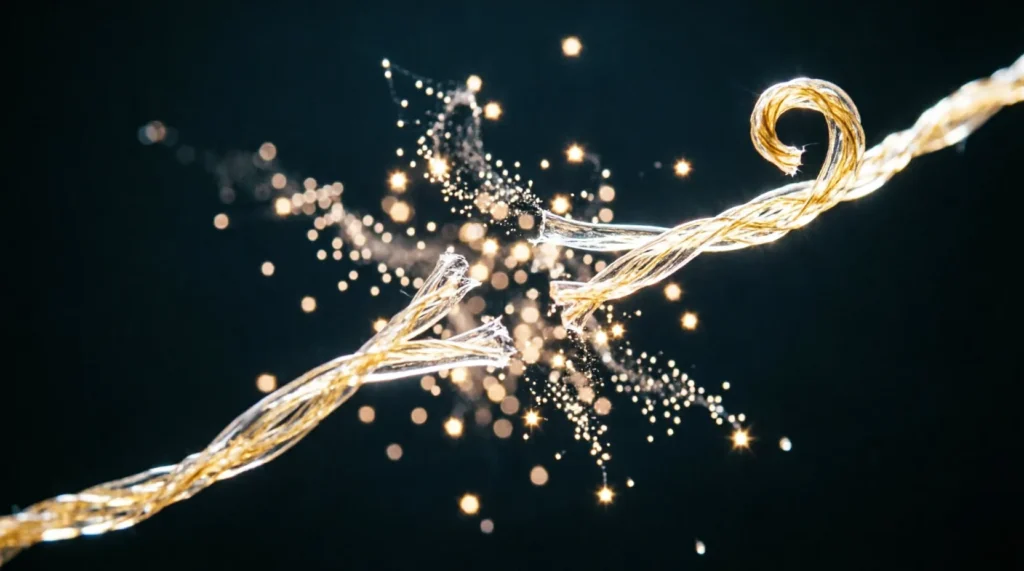
Some of the best riddles play with our expectations about the physical world. The classic “what can you break without touching it” puzzle family challenges us to think beyond literal breaking and consider promises, silence, records, and even dawn itself. Whether you’re hosting a game night or looking for clever icebreakers, this collection has something for every puzzle lover.
Top 5 “Break Without Touching” Riddles
What can you break without ever laying a finger on it?
Answer: A promise
I’ve tested this one at countless dinner parties, and the most common wrong answer is “glass” or “a bone.” People immediately jump to physical objects. The beauty of “promise” is that it’s something we all understand can be broken through actions or inaction, not physical force.
What breaks when you say its name?
Answer: Silence
This is a favorite with kids aged 8-12. They love the “aha!” moment when they realize speaking literally breaks silence. The wrong guess is usually “quiet,” which is close but not quite right.
What can break but never falls?
Answer: Daybreak (or dawn)
This wordplay riddle trips up adults more than kids. My 9-year-old solved it in ten seconds because she was thinking about morning, while the adults were stuck on physical objects. It’s a great reminder that sometimes the answer is hiding in plain sight.
What can you break without touching it, holding it, or even seeing it?
Answer: A secret
This one works beautifully for teenagers and adults. The common mistake is “trust,” which is related but not as precise. A secret can be broken (revealed) without any physical contact whatsoever.
What breaks yet stays in one piece?
Answer: A record (as in a world record)
When I run this with competitive types, they love it. The wrong answer is usually “a plate” or “an egg.” The trick is thinking about “record” in its achievement sense rather than as a physical vinyl disc.
Easy Riddles About Breaking Without Touching
- What can be broken without being held?
Answer: A promise
- What breaks when you speak?
Answer: Silence
- What can you break just by existing?
Answer: A record (when you’re born, you break the record for youngest person alive)
- What breaks every morning without fail?
Answer: Dawn (daybreak)
- What can break a heart without hands?
Answer: Words
This is surprisingly emotional when used in the right context. I’ve seen it spark meaningful conversations about kindness.
- What breaks without making a sound?
Answer: A promise
- What can you break without lifting a finger?
Answer: Silence (by thinking too loudly… just kidding, it’s by speaking!)
- What breaks the fastest thing in the world?
Answer: A speed record
- What can break without being touched, yet can be kept?
Answer: A promise
- What breaks when night ends?
Answer: Darkness (or you could say “dawn” breaks the night)
Hard Riddles That Break Your Brain
- What can break without shattering, fall without dropping, and be kept without holding?
Answer: A promise
This layered riddle requires thinking about all three conditions simultaneously. Most people get stuck on the “fall” part.
- I break without sound, I fall without weight, I can be made but never created. What am I?
Answer: A promise
The “never created” part is tricky because promises are made, not created in the traditional sense.
- What breaks when spoken, dies when heard, and lives only in absence?
Answer: Silence
This poetic version is harder because of the metaphorical language about death and life.
- What can break a tie without touching it, end a game without playing, and change everything without moving?
Answer: A decision (or you could argue “a promise”)
According to Wikipedia’s article on riddles, the best puzzles often have multiple valid interpretations, which makes this one particularly satisfying.
- What breaks without force, heals without medicine, and can be both given and taken?
Answer: A heart (emotionally)
This one requires thinking metaphorically about emotional rather than physical breaking.
- What can break the ice without water, warm a room without heat, and connect strangers without touch?
Answer: A joke (or conversation)
- What breaks when you keep it, but keeps when you break it?
Answer: A promise (breaking a bad promise keeps your integrity)
This paradoxical version is genuinely challenging. I’ve watched adults stare at this for five minutes before the lightbulb moment.
- What can break without breaking, fall without falling, and be lost without being found?
Answer: Daybreak (it “breaks” but nothing physically breaks)
Funny Riddles About Breaking Things
- What can you break without touching it, but your mom will still be mad?
Answer: A promise (to clean your room)
Kids especially love this one because it’s relatable.
- What breaks when you’re late, costs nothing, and ruins everything?
Answer: A promise (to be on time)
- What can break faster than a speeding bullet?
Answer: A New Year’s resolution
This gets laughs every time. The wrong answer is always something physical like “glass.”
- What breaks when you diet, but you’re the one who broke it?
Answer: A promise (to stick to your diet)
- What can break the ice at a party without being awkward?
Answer: A good joke
- What breaks when you say “I’ll call you tomorrow”?
Answer: A promise (let’s be honest)
This self-deprecating version works great with adult groups.
- What can break without touching it and still get you in trouble?
Answer: The law (you can break the law without physically touching it)
- What breaks every time you check your phone during dinner?
Answer: A promise (to be present)
Tricky Riddles With Unexpected Answers
- What can break without being whole, fall without being high, and be kept without being held?
Answer: A promise
The “without being whole” part throws people off because they’re thinking of physical objects.
- I can break without sound, be made without hands, and be kept without a container. What am I?
Answer: A promise
- What breaks when you win, falls when you succeed, and disappears when you achieve it?
Answer: A record
This counterintuitive riddle requires thinking about records being broken through success.
- What can break the longest silence without making noise?
Answer: A text message (or any written communication)
Modern twist on the classic silence riddle.
- What breaks without force, costs nothing to break, but everything to keep?
Answer: A promise
The economic metaphor makes this one stick.
- What can break a world record without leaving your house?
Answer: Your own personal record (in a video game, for example)
This one requires lateral thinking about what “world record” means.
- What breaks when you’re honest, but stays intact when you lie?
Answer: A bad promise
The moral complexity makes this genuinely tricky.
Short & Sweet Break Riddles
- Break without touch?
Answer: Promise
- Breaks when named?
Answer: Silence
- Breaks each dawn?
Answer: Night
- Breaks without falling?
Answer: Daybreak
- Breaks hearts?
Answer: Words
- Breaks records?
Answer: Champions
- Breaks ice?
Answer: Humor
- Breaks fast?
Answer: Breakfast (wordplay!)
This last one is a fun bonus that plays with the word “breakfast” as “breaking the fast.”
How to Use These Riddles
These riddles work brilliantly in multiple settings. At parties, use them as icebreakers between courses or as a group challenge where teams compete to solve the most. In classrooms, they’re perfect for transition times or as brain breaks between subjects—I’ve found that the easier riddles work well as warm-ups before diving into harder ones.
For scavenger hunts, hide riddle cards around the house or yard, with each answer leading to the next location. Road trips become infinitely more entertaining when you’ve got a stash of these ready; the short riddles are perfect for quick back-and-forth between stops.
Try this: start with the easy riddles to build confidence, then gradually increase difficulty. Watch for that moment when someone’s face lights up—that’s the magic of a good riddle.
Frequently Asked Questions
What is a good “break without touching” riddle for young children?
The silence riddle (“What breaks when you say its name?”) is perfect for ages 6-10. It’s concrete enough that they can understand the concept, and they can immediately test the answer by being quiet and then speaking. Avoid the more abstract promise riddles with this age group—they haven’t fully grasped the concept of intangible commitments yet.
How do these riddles actually work psychologically?
These riddles exploit what cognitive scientists call “functional fixedness”—our tendency to see objects only in their traditional roles. When someone hears “break,” their brain immediately goes to physical destruction. The riddle forces a category shift from physical to abstract. According to Wikipedia’s entry on touching, our understanding of physical interaction is so deeply wired that breaking something without touching it feels paradoxical until we reframe what “breaking” means.
What’s the most common wrong answer to “what can you break without touching it”?
Hands down, it’s “glass” or “a bone.” People hear “break” and their brains auto-complete to the most common physical breaking scenarios. The second most common wrong answer is “a heart,” which is actually valid in a metaphorical sense, but most people are thinking of physical heartbreak rather than emotional.
Are there cultural variations of this riddle?
Absolutely. Different cultures emphasize different answers. In some traditions, “a vow” or “an oath” is more common than “a promise.” The silence riddle appears across many cultures because the concept is universal. I’ve found that when using these with diverse groups, it’s worth accepting multiple valid answers—the goal is the thinking process, not getting one “correct” answer.

With a background in psychology and cognitive science from Stanford University, Sarah Jones brings a unique perspective to the world of riddles and brain teasers. With a decade of experience in the field, she specializes in understanding how puzzles can enhance cognitive development and mental agility. Sarah’s interest in riddles began during her undergraduate years when she researched problem-solving processes in the human brain. Her work at RiddleMeHub focuses on creating puzzles that are both challenging and beneficial for mental growth, often incorporating elements of math and logic. She writes extensively about the cognitive benefits of engaging with brain teasers, aiming to promote brain health and fitness through fun and challenging content. Sarah’s contributions to the site include themed puzzle collections and in-depth analyses of classic riddles, making them accessible to both beginners and seasoned puzzlers alike. Her insightful approach has helped numerous readers appreciate the mental workout that comes with solving complex problems.